
Whole house rewiring cost in Ontario is an important consideration for homeowners with outdated wiring, frequent electrical problems, or major renovation plans. Replacing old wiring can improve electrical safety, support modern appliances, and help prepare a property for future electrical demands.
Many older homes were built when households used far fewer electrical devices than they do today. Modern homes may include electric heating, air conditioning, kitchen appliances, home offices, entertainment systems, smart technology, and electric vehicle chargers. An outdated wiring system may struggle to support these loads safely.
The total cost of rewiring a house depends on several factors, including the size and age of the property, the condition of the existing wiring, access behind walls and ceilings, the number of circuits required, and whether the electrical panel also needs to be upgraded.
This guide explains when whole house rewiring may be necessary, what the process includes, which factors affect the price, and how homeowners in Ontario can prepare for the project.
What Is Whole House Rewiring?
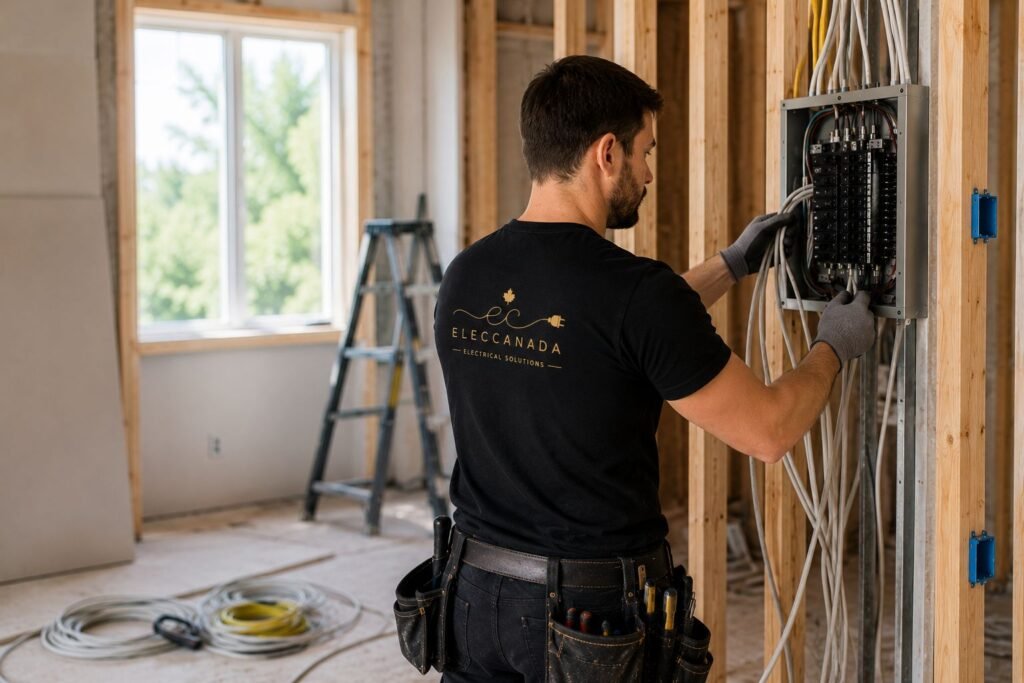
Whole house rewiring is the process of replacing outdated, damaged, or unsafe electrical wiring throughout a property. The project may include replacing branch circuit wiring, outlets, switches, junction boxes, and other electrical components connected to the home’s wiring system.
A complete rewiring project is different from repairing a single circuit or replacing a few outlets. It involves evaluating the electrical system throughout the home and upgrading the necessary components so they can safely support current and future electrical needs.
Depending on the condition of the property, rewiring may be completed as a full project or in planned stages. Homes undergoing extensive renovations are often easier to rewire because walls and ceilings may already be open, reducing the amount of access and repair work required.
Signs Your Home May Need Rewiring
Electrical wiring is usually hidden behind walls and ceilings, which means problems may not always be visible. However, certain warning signs can indicate that the wiring system should be inspected by a licensed electrician.
Common signs that a home may need rewiring include:
- Frequent breaker trips or blown fuses
- Flickering or dimming lights
- Warm, discoloured, or damaged outlets
- Burning smells near switches or receptacles
- Buzzing or crackling sounds
- Two-prong outlets without grounding
- Old fuse panels or outdated electrical equipment
- Limited outlets and heavy use of extension cords
- Knob-and-tube or deteriorated wiring
- Electrical problems during renovations
These signs do not always mean the entire home must be rewired, but they should not be ignored. A professional electrical inspection can identify the source of the problem and determine whether repairs, partial rewiring, or a complete replacement is the safest option.
What Affects Whole House Rewiring Cost in Ontario?
Several factors influence the total cost of a whole house rewiring project. Every home is different, which is why licensed electricians typically perform an on-site inspection before providing an accurate estimate.
Home Size
Larger homes usually require more wiring, additional circuits, more electrical boxes, and longer installation times. As the square footage increases, labour and material requirements generally increase as well.
Age of the Property
Older homes often present additional challenges because wiring may be hidden behind plaster walls, outdated insulation, or original building materials. These conditions can increase labour time and project complexity.
Accessibility
Homes with unfinished basements, accessible attics, or open walls are typically easier to rewire. Limited access behind finished walls and ceilings may require additional work to safely install new wiring while minimizing damage.
Electrical Panel Condition
If the existing electrical panel no longer meets the home’s electrical demand, a panel upgrade may be recommended during the rewiring project. Combining both projects often provides a more efficient long-term solution.
Number of Circuits
Modern homes require dedicated circuits for kitchens, bathrooms, laundry rooms, HVAC equipment, electric vehicle chargers, and other high-demand appliances. More circuits generally require additional wiring and installation time.
Permit Requirements
Electrical permits and inspections help verify that the installation meets the Ontario Electrical Safety Code. Permit requirements may vary depending on the scope of the project and local regulations.
How Much Does Whole House Rewiring Cost in Ontario?
The cost of rewiring a home varies significantly because every property has different electrical requirements. Rather than relying on a fixed price, homeowners should understand which factors influence the final estimate.
A licensed electrician will typically evaluate the home’s size, wiring condition, electrical panel, accessibility, renovation plans, and overall electrical demand before preparing a detailed quotation.
Receiving a professional assessment helps homeowners avoid unexpected costs and ensures that the proposed work meets current Ontario electrical safety standards.
What Is Included in a Complete Rewiring Project?
A complete whole house rewiring project may include a wide range of electrical upgrades depending on the condition of the home and the homeowner’s requirements.
- Removal or isolation of outdated wiring where appropriate
- Installation of new branch circuit wiring
- Replacement of outlets and switches
- Installation of grounded receptacles
- New junction boxes where required
- Circuit identification and organization
- Electrical panel evaluation or upgrade if necessary
- Grounding and bonding improvements
- Electrical testing and safety verification
- Final inspection when required
The exact scope of work varies from one property to another. An electrical inspection helps determine which components should be replaced and whether additional upgrades are recommended.
Can You Rewire a House Without Opening Every Wall?
In many cases, yes. Experienced electricians can often install new wiring by using existing wall cavities, attics, crawl spaces, and unfinished basements. While some drywall repairs may still be necessary, careful planning can significantly reduce the amount of disruption.
The amount of wall or ceiling access required depends on the home’s construction, the location of the electrical panel, existing wiring routes, and the overall layout of the property.
How Long Does Whole House Rewiring Take?
The timeline varies depending on the size of the home, accessibility, the complexity of the electrical system, and whether the property is occupied during the project.
Smaller homes undergoing straightforward rewiring may be completed relatively quickly, while larger homes or properties requiring extensive upgrades may take considerably longer. Your electrician can provide a more accurate schedule after inspecting the property.
Benefits of Rewiring Your Home
Although rewiring is a major investment, it provides long-term safety, reliability, and convenience for homeowners while supporting today’s electrical demands.
- Improved electrical safety
- Reduced risk of electrical faults
- Reliable power for modern appliances
- Better support for home renovations
- Increased electrical capacity
- Compliance with current electrical standards
- Improved property value
- Greater energy efficiency with modern electrical equipment
- Better preparation for future technologies
- Increased peace of mind
Should You Rewire Before Renovating?
If you are planning a major renovation, rewiring before installing new drywall, flooring, cabinetry, or finishes is often the most practical approach. Completing electrical work early helps reduce future demolition, lowers labour costs, and simplifies the installation process.
Many homeowners also choose to upgrade their electrical panel, install additional outlets, add dedicated appliance circuits, and prepare for future smart home devices or electric vehicle chargers during the same project.
Choosing the Right Electrical Contractor
Whole house rewiring should always be performed by a licensed electrical contractor with experience in residential electrical systems. Proper planning, code compliance, quality workmanship, and thorough testing are essential for a safe and reliable installation.
Before starting any rewiring project, ask for a detailed assessment of your home’s electrical system, discuss your future electrical needs, and review the proposed scope of work so you clearly understand the recommended upgrades before work begins.
Frequently Asked Questions
How do I know if my house needs complete rewiring?
Frequent breaker trips, flickering lights, burning smells, outdated wiring, two-prong outlets, and recurring electrical issues may indicate that your home should be inspected. A licensed electrician can determine whether repairs, partial rewiring, or complete rewiring is necessary.
Can I live in my house during the rewiring project?
In many cases, homeowners can remain in the property while work is completed in stages. However, larger projects or extensive renovations may require temporary interruptions to electrical service or limited access to certain areas.
Will rewiring increase my home’s value?
A modern electrical system can improve safety, reliability, and buyer confidence. While every property is different, updated electrical wiring is generally viewed as a valuable long-term improvement.
Is an electrical permit required for whole house rewiring in Ontario?
Many rewiring projects require electrical permits and inspections to verify that the work complies with the Ontario Electrical Safety Code. Your licensed electrical contractor can explain the permit requirements for your specific project.
Can I replace old wiring myself?
Whole house rewiring is a complex electrical project that should be completed by a licensed electrical contractor. Proper installation, testing, grounding, and code compliance are essential for electrical safety.
Conclusion
Understanding the factors that influence whole house rewiring cost in Ontario helps homeowners make informed decisions before starting a major electrical upgrade. Every home has unique electrical requirements, making a professional inspection the best way to determine the safest and most cost-effective solution.
If your home has outdated wiring, recurring electrical problems, or you’re planning a renovation, ElecCanada can evaluate your electrical system and recommend the most appropriate rewiring solution based on your property’s needs and current Ontario electrical standards.
Age of the Home
Older homes often require additional work because outdated wiring, damaged insulation, or previous electrical modifications must be safely removed or replaced. This can increase both labour time and material costs.
Permit and Inspection Requirements
Electrical rewiring projects in Ontario typically require permits and inspections to ensure the installation complies with the Ontario Electrical Safety Code. These requirements help protect homeowners and verify that the work has been completed safely.
Additional Electrical Upgrades
Many homeowners choose to install additional outlets, dedicated circuits, EV charger wiring, surge protection, smart switches, or new lighting during a rewiring project. Completing these upgrades at the same time is often more efficient than adding them later.
What Is Included in a Whole House Rewiring Project?
A complete whole house rewiring project involves much more than simply replacing electrical wires. Licensed electricians inspect the existing system, remove outdated wiring where necessary, install new components, test every circuit, and ensure the entire electrical system meets current safety standards.
- Replacement of outdated electrical wiring
- Installation of new electrical outlets and switches
- New junction boxes and electrical connections
- Circuit testing and troubleshooting
- Grounding and bonding improvements
- Electrical panel upgrades when required
- ESA inspection and code compliance
Every property is different, so the exact scope of work depends on the condition of the existing electrical system and the homeowner’s renovation goals.
Is Whole House Rewiring Worth the Investment?
For many homeowners, whole house rewiring is a valuable long-term investment. Modern wiring improves electrical safety, supports today’s power demands, increases property value, and reduces the risk of electrical failures. Homes with updated electrical systems are also more attractive to future buyers and may require fewer repairs over time.
If your home has outdated wiring, frequent breaker trips, flickering lights, or you’re planning a major renovation, investing in professional whole house rewiring can provide greater reliability and peace of mind for years to come.
Conclusion
The whole house rewiring cost in Ontario depends on several factors, including the size of the home, the condition of the existing electrical system, accessibility, and any additional upgrades required. While every project is unique, investing in professional rewiring improves electrical safety, supports modern power demands, and helps protect your home for years to come.
If you’re planning a renovation or experiencing signs of outdated wiring, consulting a licensed electrician is the best way to receive an accurate assessment and a detailed estimate tailored to your property.
Need Professional Whole House Rewiring in Ontario?
ElecCanada provides professional whole house rewiring services for homeowners across Ontario. Our licensed electricians complete every project safely, efficiently, and in full compliance with the Ontario Electrical Safety Code.
Whether you’re renovating an older home, upgrading your electrical system, or replacing outdated wiring, our team is ready to help. Contact ElecCanada today to schedule an inspection and receive a detailed estimate for your whole house rewiring project.